
Is There an Overdose Risk With Weight Loss Drugs?
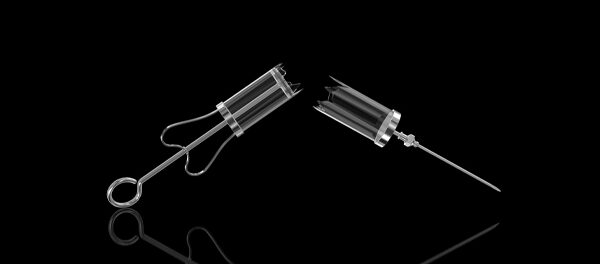
A study published in the Journal of Medical Toxicology by researchers at the University of Alabama at Birmingham found that reports of overdoses of popular injectable weight-loss medications to a regional poison control center have increased substantially over the last few years. Researchers attribute this rise in exposures to increases in prescriptions for these medications and an increase in therapeutic errors.
The use of glucagon-like peptide-1 receptor agonists, also known as GLP-1 RAs, has increased over the last decade for glycemic control in Type 2 diabetes, cardiovascular protection and weight loss. Studies show a 221 percent increase in GLP-1 RA prescriptions from 2016 to 2021. While prescriptions for these medications are increasing, so has the number of compounded products being produced to keep up with high demand. Compounded drugs typically consist of medications that have been mixed by a licensed pharmacist tailored to an individual patient’s needs.
“Compounded drugs are not FDA-approved, meaning that the safety and quality of these products are not regulated by the FDA,” said Stacy Marshall, M.D., a medical toxicologist at the Alabama Poison Information Center and a researcher involved in the UAB-led study.
Excerpted from UAB News